The modern automobile is not just a means of transport, but a hub of technological integration. From electric vehicles (EVs) to autonomous driving and advanced driver-assistance systems (ADAS), the automotive industry is in the throes of a technological revolution. At the heart of these innovations lies the humble Printed Circuit Board (PCB).
PCBs, particularly the RIGID kind, are the unsung heroes that enable the seamless functioning of the complex electronic systems present in today's vehicles. With the demand for smarter, safer, and more eco-friendly cars on the rise, understanding the pivotal role that RIGID PCBs play in automotive design is crucial.
Driving Forward: RIGID PCBs in Electric Vehicle (EV) Technologies
In the electric propulsion systems of EVs, RIGID PCBs play a critical role in controlling power distribution and ensuring the efficiency of the vehicle's performance.
From managing battery systems and power inverters to motors and charging units, RIGID PCBs are the backbone of these high-voltage applications. These boards must be designed to withstand extreme temperatures, moisture, and high-voltage conditions, characteristics that RIGID PCBs excel at due to their robust substrate materials.
EV manufacturers are increasingly turning to RIGID PCBs for their consistent signal quality, thermal performance, and the ability to support high component densities. The result is a more reliable and efficient electric powertrain that is at the forefront of the green vehicle revolution.
The Role of PCBs in Autonomous Vehicle Systems
Autonomous Vehicle (AV) technology relies heavily on sensors and communication systems, which in turn depend on PCBs. RIGID PCBs are integral to the mainframe and support structures of the various AI, radar, lidar, and camera modules that enable self-driving capabilities.
These PCBs are designed with a high level of precision to meet the stringent performance requirements of AV systems. Signal integrity is paramount; hence, RIGID PCBs, with their low loss characteristics and consistent dielectric constants, are the preferred choice for manufacturers.
With safety and reliability at the forefront, the durability and stability of RIGID PCBs make them an essential component in the development of autonomous vehicle platforms, fostering public trust in the technology.
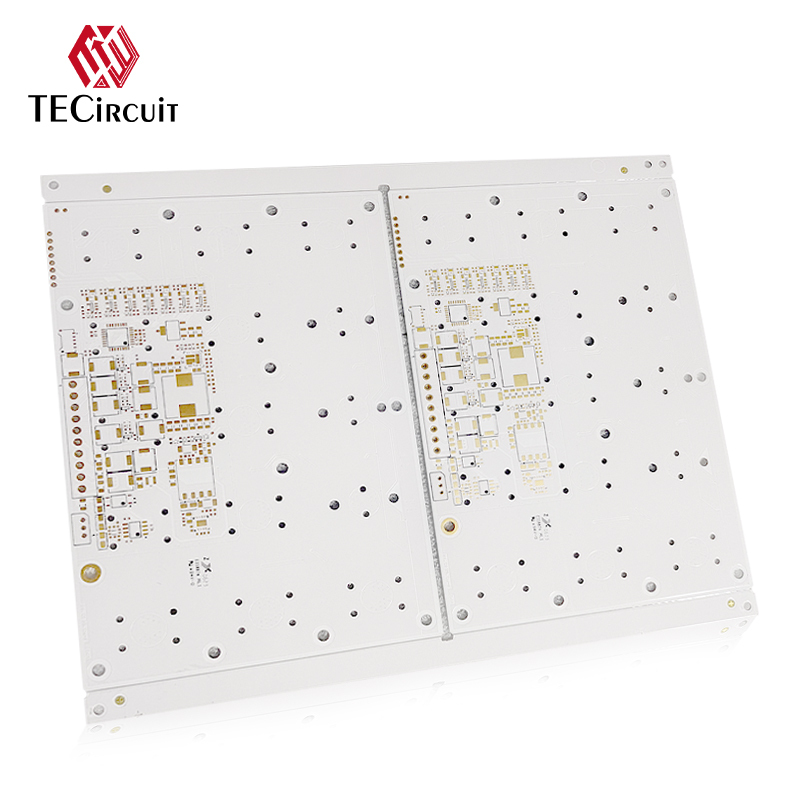
Safety and Reliability: RIGID PCB Solutions for Automotive Electronics
The automotive landscape is the epitome of a harsh operating environment for electronics. From the vibration and shock conditions experienced by the chassis to the electrical noise generated by the vehicle's components, automotive electronics demand the most robust solutions.
RIGID PCBs provide the mechanical strength necessary to withstand these conditions, offering long-term reliability. They are also resistant to heat, which is essential for electronic control units in the cramped conditions of a vehicle's engine compartment.
With an unwavering focus on safety and performance, automotive engineers look to RIGID PCBs to deliver enhanced design flexibility, enabling the miniaturization of complex systems while maintaining the highest safety standards.
Integrating RIGID PCBs in Advanced Driver-Assistance Systems (ADAS)
ADAS, the stepping stone towards fully autonomous driving, relies on the synergy of several advanced technologies. RIGID PCBs are at the core of these systems, facilitating the smooth interplay between radar systems, cameras, and processing units.
These PCBs support the latest advancements in ADAS by providing the crucial connections and power management required for real-time data processing. They offer low impedance pathways, preserving signal quality and enabling faster data transmission, critical for decision-making in the split seconds that can determine safety on the road.
The integration of RIGID PCBs in ADAS is reshaping the automotive industry, paving the way for smarter, interactive driving experiences that focus on safety and comfort.
Future Trends: RIGID PCBs and the Evolution of Smart Vehicles
Looking to the future, the role of RIGID PCBs in smart and connected vehicles is set to expand even further. These boards will form the backbone of the vehicle's 'nervous system,' supporting the integration of IoT devices, vehicle-to-vehicle (V2V) communication, and data-driven functionalities.
RIGID PCBs will continue to evolve, incorporating features such as embedded passive components, high-speed design elements, and enhanced thermal management solutions. These advancements will not only support the growth of electric and autonomous vehicles but will also be instrumental in developing next-generation concepts like modular platforms and smart city integration.
In conclusion, RIGID PCBs are shaping the future of the automotive industry. Their reliability, durability, and adaptability make them indispensable in the transition towards cleaner and smarter transportation solutions. As vehicle technology continues to advance, so too does the versatility and potential of RIGID PCBs. They are not just components; they are enablers of progress in the automotive world.
Your email address will not be published.Required fields are marked. *
